


Transporting stainless steel tanks: what is involved?
The transport of every stainless steel tank requires a tailor-made approach
In practice, transporting a stainless steel tank is a project in itself. As a general rule: the larger the tank, the greater the challenge. However, size is certainly not the only factor. Every transport requires careful decision-making, where costs, regulations, planning and logistics all come together.
At Gpi, transport is therefore considered from the very start of the project. As soon as we receive a request for a stainless steel tank, our sales engineers begin working on the specifications. They translate the customer’s requirements into a concrete design and immediately assess the implications for transport.
There is no fixed preferred route; each project has its own scope and destination.
Quotation phase
When designing a stainless steel tank, they consider both the required capacity and dimensions, as well as logistical feasibility. In some cases, they propose adjustments to the design so that the tank remains within transport restrictions, allowing it to be transported by road. In most cases, road transport is the most cost-efficient solution. By considering transportation at an early stage, we are able to provide customers with better insight into the total project costs.
Transport scenarios
Once the specifications are known, Gpi’s transport department becomes involved in the project. The team determines the best transport solution: road transport, water transport, or a combination of both. This decision is based on dimensions, weight and final destination, but also on planning and availability.
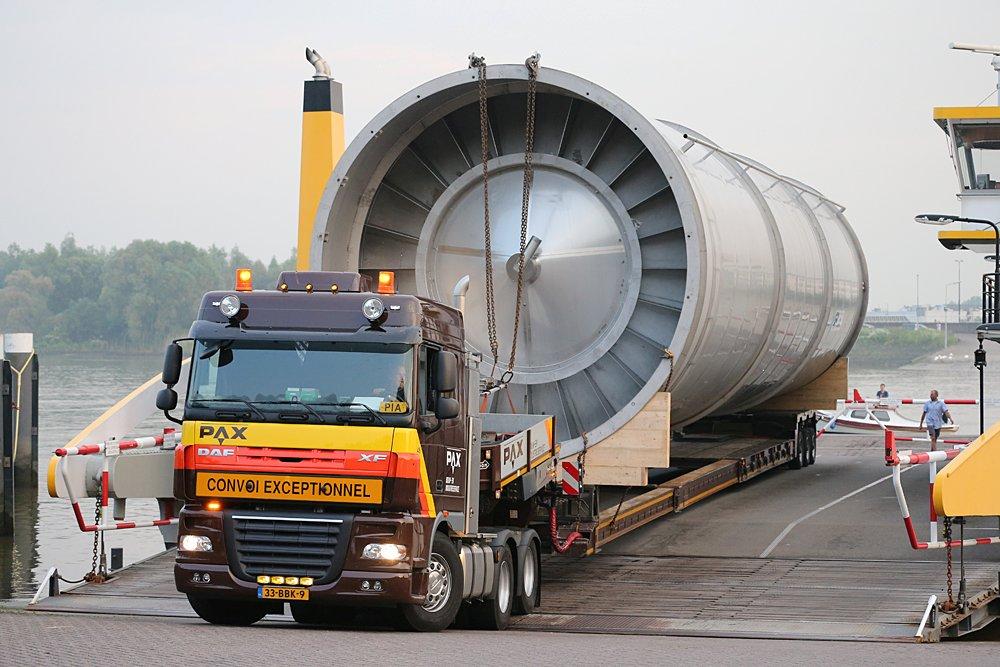
For standard road transport, the following limits apply, including the trailer: 4 metres in height, 2.55 metres in width, 22 metres in total length, and a maximum total weight of 50,000 kg. If the stainless steel tank exceeds these standard limits, we assess the possibilities for exceptional transport.
Our transport specialists request quotations from various transport companies and compare the available options. There is no fixed preferred route; each project has its own scope and destination. If installation is also included in the scope, we also evaluate the possibilities and challenges involved on site. When multiple options are close in terms of feasibility and cost, we sometimes present two transport scenarios to the customer.

Road or water transport?
As mentioned earlier, road transport is generally cheaper, but there are exceptions. For example, in Germany certain oversized transports require police escort, which can significantly increase costs. In such cases, water transport may become an attractive alternative.
The number of stainless steel tanks also plays a role. For larger series, transport by truck is not always the most economical option. In such cases, it may be more efficient and cost-effective to transport the tanks to the customer by ship. In addition to costs, we also consider factors such as vessel draught, regulations, lead time and the required delivery date. If different options are similar in terms of cost and feasibility, we may present two calculations to the customer.
Road transport is generally cheaper, but there are exceptions.

Smarter solutions
We continuously look for ways to make stainless steel tank transport more efficient. For example, the gate at the production facility in Groot-Ammers was recently widened. This allows certain large tanks, which previously could not be transported by road from Groot-Ammers, to now be shipped by truck. This provides greater flexibility and allows us to offer more competitive quotations.
Water transport also offers several options. In some cases it is advantageous to transfer stainless steel tanks onto liner services for sea freight, while in other situations a smaller vessel for the entire route is more suitable. The available shipping time and total cost play an important role in this decision. Also consider whether tanks should be transported vertically or horizontally. Transporting stainless steel tanks is always custom work. By intelligently combining design, transport and planning, Gpi ensures a solution that fits both the project and the customer.
By intelligently combining design, transport and planning, Gpi ensures a solution that fits both the project and the customer.

Order phase
Once a request for a stainless steel tank turns into a confirmed order, Gpi shifts into the next phase. The final delivery date is established and the transport companies involved are informed. From that moment on, engineering, production and transport work closely together to guide the project in a controlled manner towards delivery and installation.
Engineering
After the order is confirmed, the engineering phase begins. Our engineers fully elaborate the design of the stainless steel tank, taking not only production but also transport and installation into account. This includes the positioning of lifting lugs, the addition of the correct openings and provisions for anchoring at the customer’s site. By taking these aspects into account at an early stage, we avoid adjustments later in the process and ensure that the stainless steel tank can be transported and installed safely and efficiently.

Permits and route planning
Once the dimensions or weight exceed standard limits, permits and route planning become relevant. This is more than administrative work; it largely determines the feasibility and lead time of the project. Permit requirements differ by country and sometimes even by region. In one country a standard exemption may be sufficient, while elsewhere escort vehicles, night transport or strict time windows may be required. At the same time, the route is technically assessed. Bridges, viaducts, roundabouts, narrow village centres and roadworks are all taken into account in the analysis.
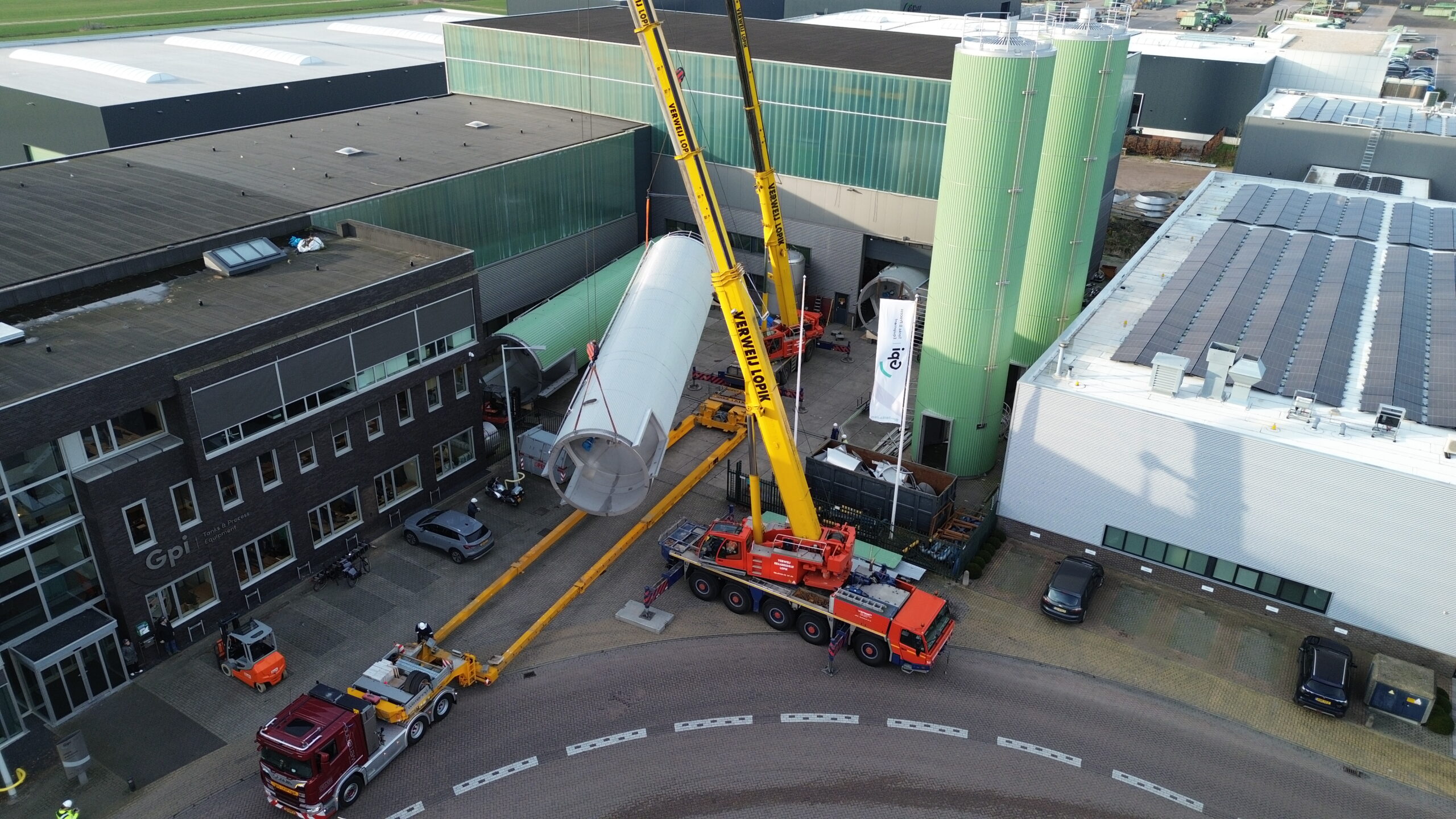
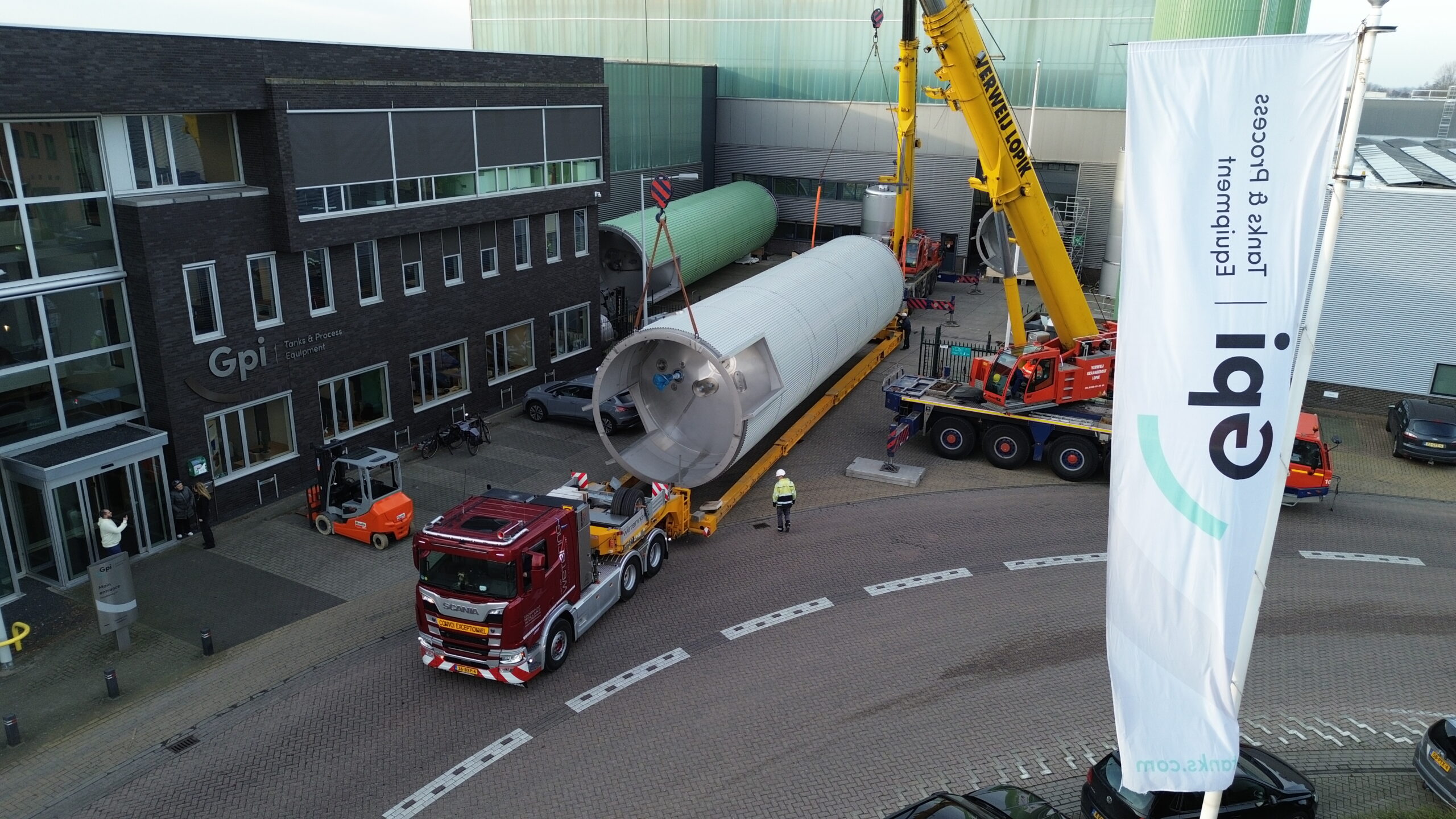
In practice, this is often a critical part of the planning. A route may appear suitable on paper, but due to a temporary road closure or unexpected height restriction it may still prove to be unfeasible. In that case, the transport must be planned again. For exceptional stainless steel tank transport, intensive coordination between the transport company, work preparation and the customer is therefore required.
For exceptional stainless steel tank transport, intensive coordination between the transport company, work preparation and the customer is required.

Safety and risk analysis
If we install tanks on site or if the customer specifically requires it, we prepare a Task Risk Analysis (TRA) prior to delivery. Safe working practices are central to this process, both during transport and during installation on site. At an early stage we already know where the stainless steel tank needs to be placed. In consultation with the customer and the crane company, we determine the crane position and the lifting plan. It is established where the crane will be positioned, which lifting routes are required and which risks are involved. Our HSE specialists are involved in this process and carefully assess the plans. It is also determined whether lifting needs to take place over existing installations or buildings. This coordination takes place well in advance so that everyone on site knows what will happen and the work can be carried out safely and in a controlled manner.
Coordination of delivery and installation
When the production of the tank in the production hall is nearly completed, we contact the customer to determine when the tank is required and establish a delivery schedule that is workable for all parties involved. In doing so, we take into account not only the transport of the tanks but also the work on site, such as lifting operations and the installation of the tanks.

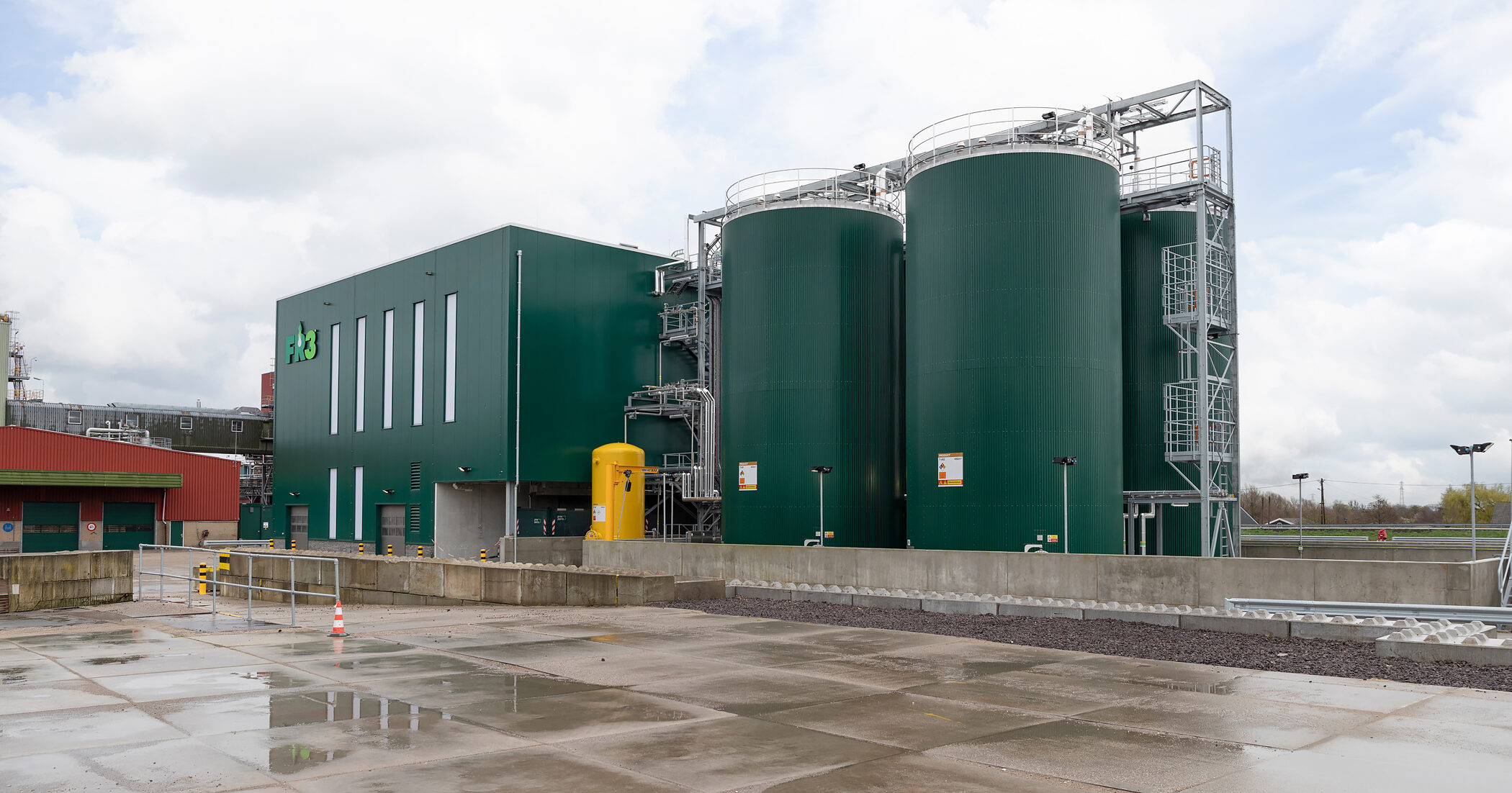
By carefully aligning engineering, transport, safety and planning, Gpi ensures a controlled and predictable process through to final placement at the customer’s site.
Installation and assembly on site
For the installation of the stainless steel tank on site, Gpi has its own assembly and installation team. Based on the wishes and preferences of the customer, they take care of the installation and anchoring of the stainless steel tanks at their final destination. This is always carried out in accordance with the previously established plans for lifting operations, safety and positioning.
From order to installation, every stainless steel tank project is tailor-made. By carefully aligning engineering, transport, safety and planning, Gpi ensures a controlled and predictable process through to final placement at the customer’s site.