


Tanks with heating and cooling functions – applications, design and selection
Heating ingredients before mixing, removing heat during fermentation or maintaining product viscosity during storage – each of these processes requires appropriate temperature control. Tanks with heating and cooling functions allow these operations to be carried out in a single vessel, in line with product and production process requirements. This function can be provided by both process tanks and storage tanks.
However, the effectiveness of this solution depends on more than just the temperature range. The design and surface area of the jacket, the parameters of the heating or cooling medium, and the properties of the product also play a role. How do these tanks work, and what should be considered when designing them?
How do tanks with heating and cooling functions work?
Heat is transferred through the tank wall. A jacket or coil is fitted to the outside of the wall, through which a heating or cooling medium flows. Depending on the temperature difference, heat is either transferred to or removed from the product. The medium does not come into direct contact with the contents of the tank.
This arrangement allows a set temperature to be maintained during storage or adjusted at successive stages of production. If required by the process, the same tank can first be used to heat the ingredients and then to cool the resulting mixture.
Types of heating and cooling jackets
The design of the heat transfer system is selected according to the operating conditions: the required pressure and temperature of the medium, the properties of the product, and the expected heating or cooling time. Gpi manufactures three types of solutions.
tanks with a dimple heating/cooling jacket – the jacket is made from thin, dimpled sheet metal welded to the tank wall. The space created in this way allows the medium to flow and exchange heat with the product. Depending on the design parameters, this solution can use media such as hot water, steam or chilled water.
tanks with a half-pipe coil – the coil consists of half-pipes welded spirally to the outside wall of the tank. The medium flows through the defined channel, transferring or removing heat through the wall. This solution is used, among other applications, in processes requiring higher medium pressures and temperatures. The permissible parameters are determined individually for each design.
double-jacketed tanks – an additional wall surrounds the tank, creating a space through which the medium flows. This design is used, for example, in systems using water or a glycol solution, at an appropriately selected, usually lower operating pressure. The heat transfer system can be complemented by thermal insulation and external cladding. The insulation limits heat exchange with the surroundings, while the cladding protects it against damage and external conditions.
What materials are the tanks made from?
Tanks with heating and cooling functions are manufactured from stainless steel selected to suit the properties of the product and the operating conditions. One of the grades used is 1.4404 / 316L, which is used, among other applications, for components in contact with the product.
Material selection takes into account the chemical composition of the medium, the operating temperature and the cleaning agents used. In industries with strict hygiene requirements, weld quality, surface finish and effective cleanability are also important. At Gpi, we can recommend the best solution.
The wall material is one of the factors affecting heat transfer. The performance of the entire system also depends on the jacket surface area, the flow conditions of the medium and how the product is mixed.
Heating and cooling media and temperature control
Hot water or process steam are most commonly used to heat the product. Cooling can be carried out using cooling water, chilled water or glycol solutions. The choice depends on the temperatures required by the process and the parameters of the utility system available at the plant.
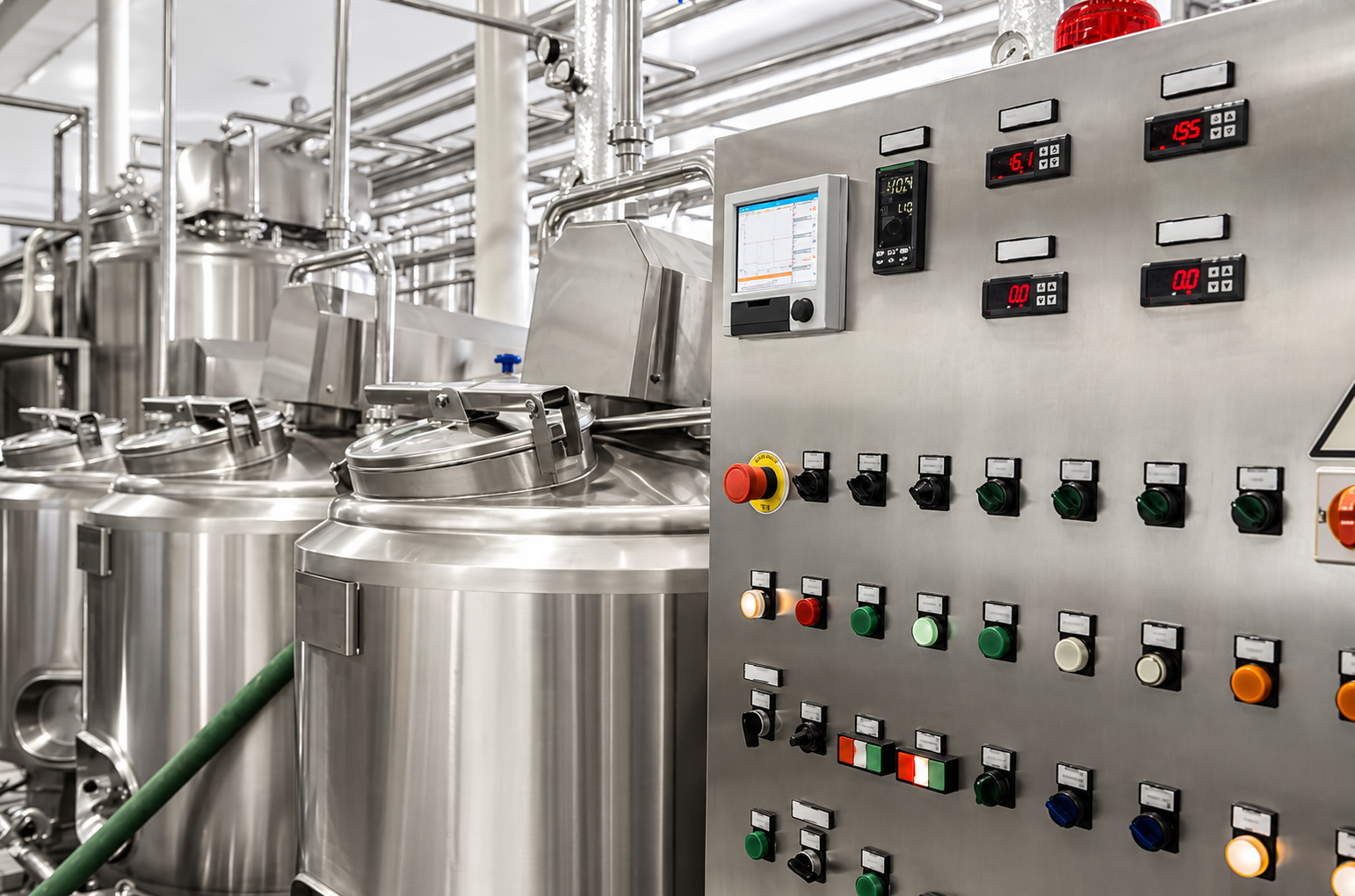
The jacket itself enables heat transfer, while maintaining the required conditions calls for a suitable control system. Sensors measure the product temperature, and the controller uses these readings to regulate the supply of the medium via valves. In systems designed for both heating and cooling, the automation system can also control switching between the circuits.
In tanks fitted with an agitator, its functions include reducing temperature differences throughout the product and supporting heat transfer at the wall. This is particularly important for products with higher viscosity. However, the agitator type and its parameters must be matched to the specific medium.
Applications in the chemical and process industries
In the chemical industry, temperature affects both the course of the process and the properties of the product being processed. Tanks with heating and cooling functions are used during both production and storage.
In process tanks, they allow ingredients to be prepared for mixing and the temperature to be changed between successive process stages. Controlled cooling is used, for example, in crystallisation processes.
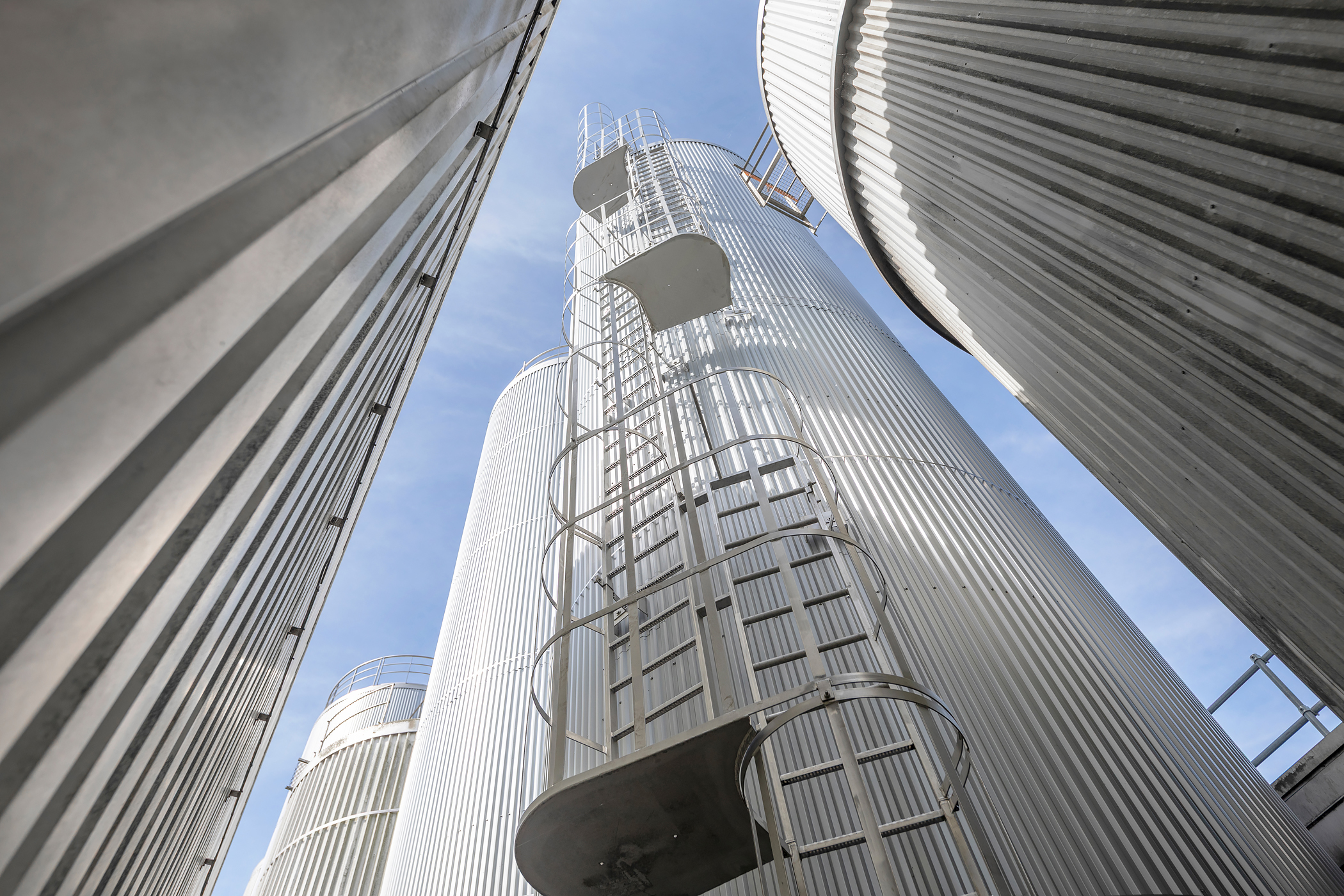
During storage, maintaining the appropriate temperature can prevent an excessive increase in product viscosity or solidification. This preserves the conditions needed for subsequent tank emptying and the transfer of the medium through the system.
Applications in the food, pharmaceutical and cosmetics industries
In the production of food, pharmaceuticals and cosmetics, temperature control helps ensure the required product quality and consistency. How the tank is used depends on the production technology in the particular industry.
Dairy industry: milk tanks with cooling jackets allow the required temperature of raw materials and intermediate products to be maintained. More information about these solutions can be found in the section dedicated to the dairy industry.
Juice and beverage production: tanks allow the temperature required during product preparation and storage to be maintained.
Brewing: cooling jackets remove the heat generated during fermentation and allow fermentation conditions to be controlled.
Pharmaceuticals: the heating and cooling system enables production stages requiring a specific temperature range and its documentation to be carried out.
Cosmetics: heating facilitates the preparation and combination of selected ingredients, while controlled cooling forms part of the manufacturing process for products such as creams and emulsions.
How do you select a tank with heating and cooling functions for your process?
The starting point is to define what needs to happen to the product inside the tank. Specifying the initial and final temperatures alone is not enough. It is also important to establish how quickly the product must reach the required parameters and how long they need to be maintained.
The main information needed to select a solution includes:
process parameters: temperatures at individual stages, the required heating and cooling times, and the temperature holding time;
product properties: including viscosity, density, specific heat capacity and sensitivity to localised overheating;
working volume: tank capacity and the minimum and maximum filling levels;
parameters of the available media: their temperature, pressure and achievable flow rate;
mixing requirements: the agitator type and its mode of operation;
hygiene requirements: surface finish and cleaning method, for example using a CIP system;
installation conditions: indoor or outdoor location and ambient conditions.
This information is used to select the jacket design and surface area, the equipment and the temperature control method. An insufficient heat transfer area or inadequate capacity of the utility supply system can extend the production cycle, even if the tank reaches the target temperature.
Design requirements, documentation and maintenance
The requirements for a tank depend on its application, operating parameters and installation location. Both the product chamber and the heating and cooling system must be taken into account.
For pressure equipment, the applicability of the Pressure Equipment Directive (PED) 2014/68/EU is assessed. As a general rule, it covers equipment with a maximum allowable pressure PS greater than 0.5 bar, subject to the exclusions specified in the Directive. The scope of the requirements and the conformity assessment procedure depend on the parameters of the specific equipment. Standards used in the design of pressure vessels include EN 13445.
For components intended to come into contact with food, the requirements of Regulation (EC) No 1935/2004 are taken into account. For hygienic applications, the required surface finish is also specified, for example an internal surface roughness of Ra ≤ 0.8 µm, where required by the project specification. Hygienic design guidelines, such as those published by EHEDG, can provide an additional reference.
The scope of inspections should reflect the tank design and operating instructions. It includes checking the heat transfer system for leaks, verifying the operation of sensors and valves, and inspecting the condition of the insulation. In steam systems, proper condensate drainage is important, while in water circuits, deposits that can impair heat transfer also need to be limited.
How much does a tank with heating and cooling functions cost?
The price depends on the parameters of the complete vessel. In addition to tank capacity and dimensions, relevant factors include the jacket design and surface area, the allowable pressure, the steel grade and the required surface finish.
The agitator, insulation, valves and fittings, control system, platforms and ladders, as well as the scope of documentation and acceptance inspections, also affect the cost.
This is why we price each tank individually. The quotation is based on the process specification, which allows us to determine the required heat transfer area, design parameters and equipment.
Tanks with heating and cooling jackets from Gpi
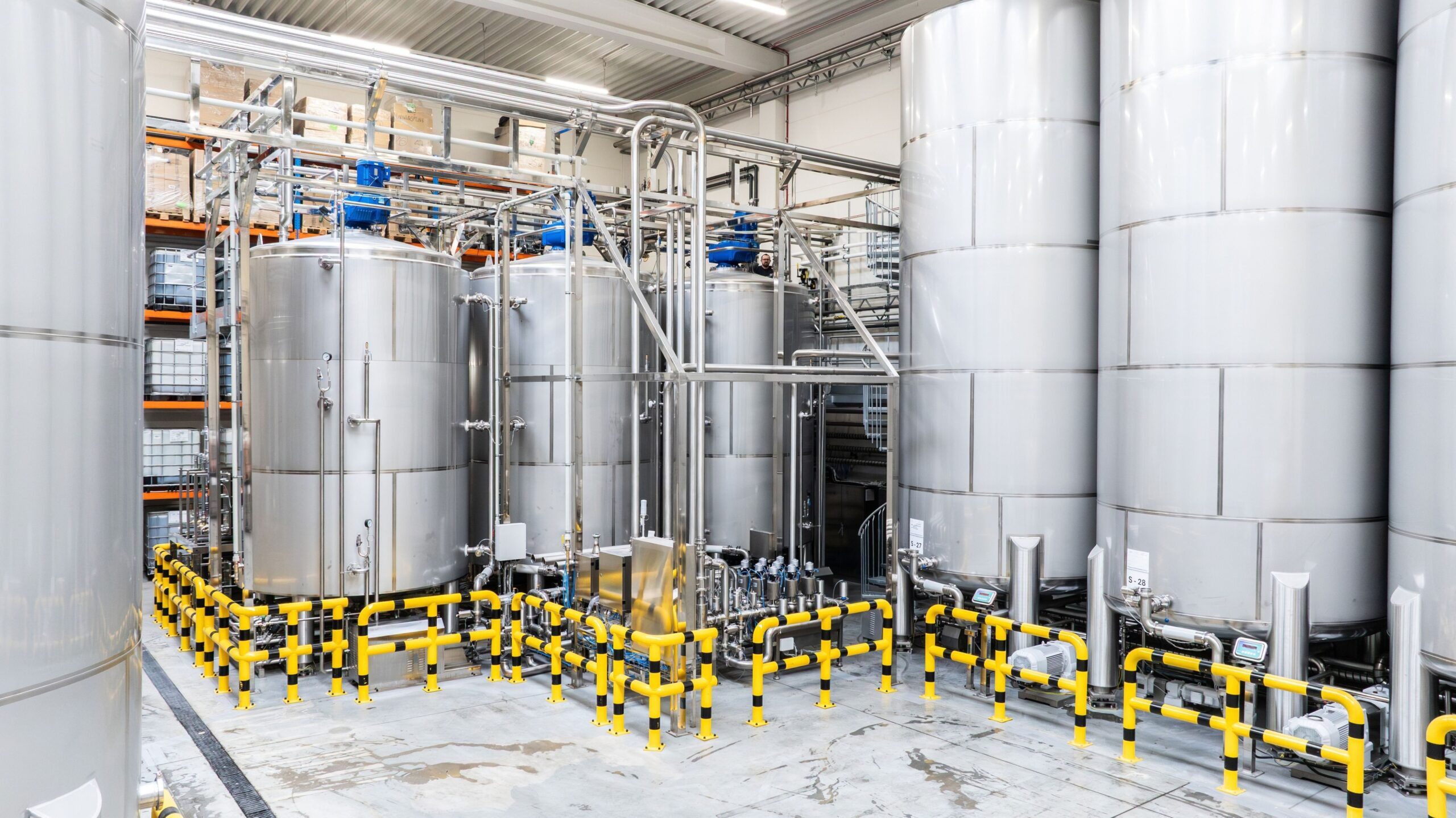
At Gpi, as a stainless steel tank manufacturer, we design and manufacture vessels with a construction tailored to the requirements of the customer’s process. The design covers not only the capacity and dimensions of the vessel, but also the heat transfer system, mixing, insulation, and cleaning and operating requirements.
Solutions can include individual process tanks or storage tanks, as well as tanks forming part of a larger installation.
Planning an investment? Contact us and share your process requirements. Our engineers will help you select a tank design and equipment suited to the expected operating conditions.
Frequently asked questions (FAQ)
Can the same tank be used for heating and cooling?
Yes. An appropriately designed system can use a heating medium and a cooling medium at successive stages of the process. In a single shared circuit, heating and cooling are carried out alternately. Solutions with independent zones require separate selection and control.
Does a larger jacket surface area reduce the time needed to change the temperature?
Usually, yes, provided that the other conditions remain comparable. However, the effect also depends on the parameters and flow rate of the medium, the properties of the product, the filling level and mixing. A larger jacket surface area alone cannot compensate for insufficient capacity of the utility supply system.
Can tank operation be automated and monitored remotely?
Yes, provided that an appropriate automation and communication system has been included. It can regulate temperature, control successive stages of the process and record parameters. Remote monitoring additionally requires integration with the plant system or another monitoring solution.
Can one tank be used for recipes requiring different temperatures?
Yes, provided that all recipes fall within the design parameters of the tank and its equipment. The required temperature change time, product properties and availability of suitable media must also be taken into account.
What determines energy consumption?
Primarily the quantity and properties of the product, the required temperature change and the frequency of the cycles. Insulation, ambient conditions and the efficiency of the heating or cooling supply system also play a role.
Does a tank with heating and cooling functions require more extensive servicing?
The scope of servicing depends on the design and the degree of automation. In addition to the tank itself, the heating and cooling circuits, valves and fittings, and measuring components are subject to inspection. The specific tasks and their frequency are defined in the equipment documentation.